
Knowledge base for event professionals
Practical stories about requests, quotes, ticket sales and invoicing — written for everyone who runs events alongside everything else.

Why the fastest quote almost always wins the booking
Respond to a request within a day and you win the work considerably more often. Here's where that time actually goes — and how to get it back.
 Quotes
The anatomy of a quote that actually gets signed
Two quotes with the same price and the same room rarely get the same answer. Here's what's in the one that wins.
 In practice
Why one in five registrations never turns up
At free events only 70 to 80 percent of registrations typically show. What causes no-shows, and what genuinely reduces them.
 Invoicing
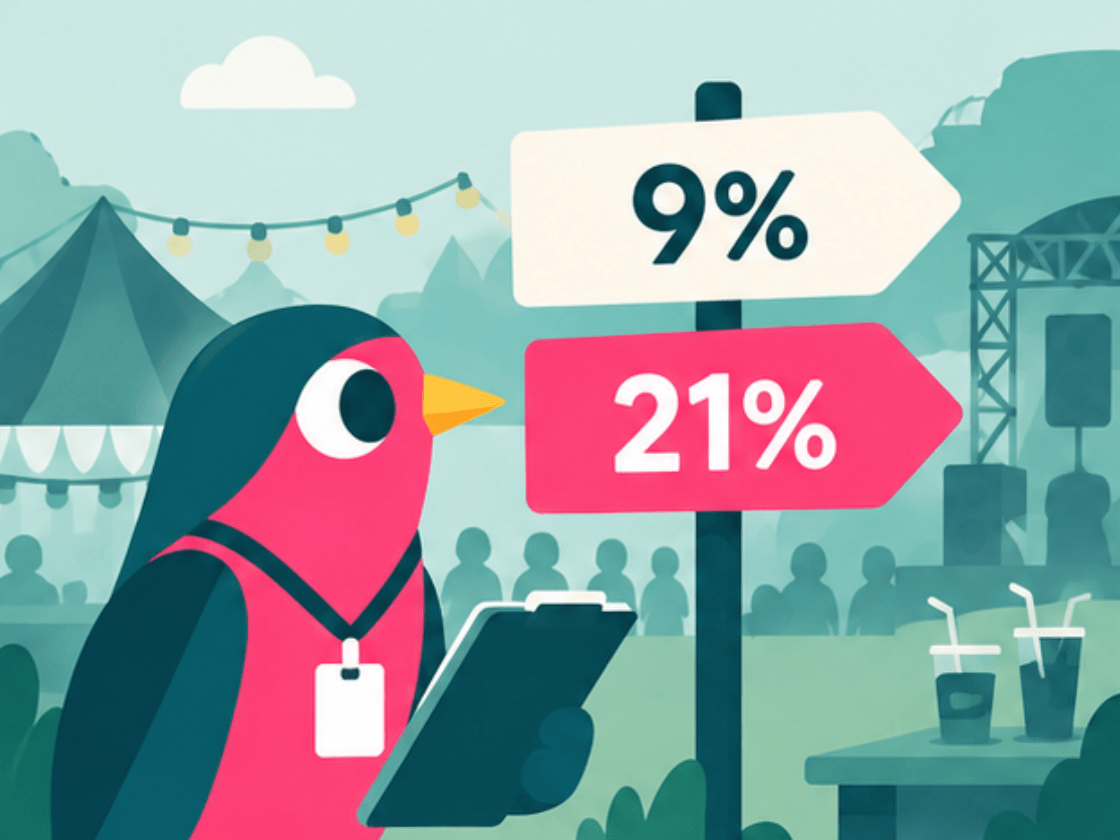
VAT on events: when 9% applies and when 21% does
Room hire, catering, admission and parking don't share a VAT rate. A practical overview for anyone drawing up quotes and invoices.
 Quotes
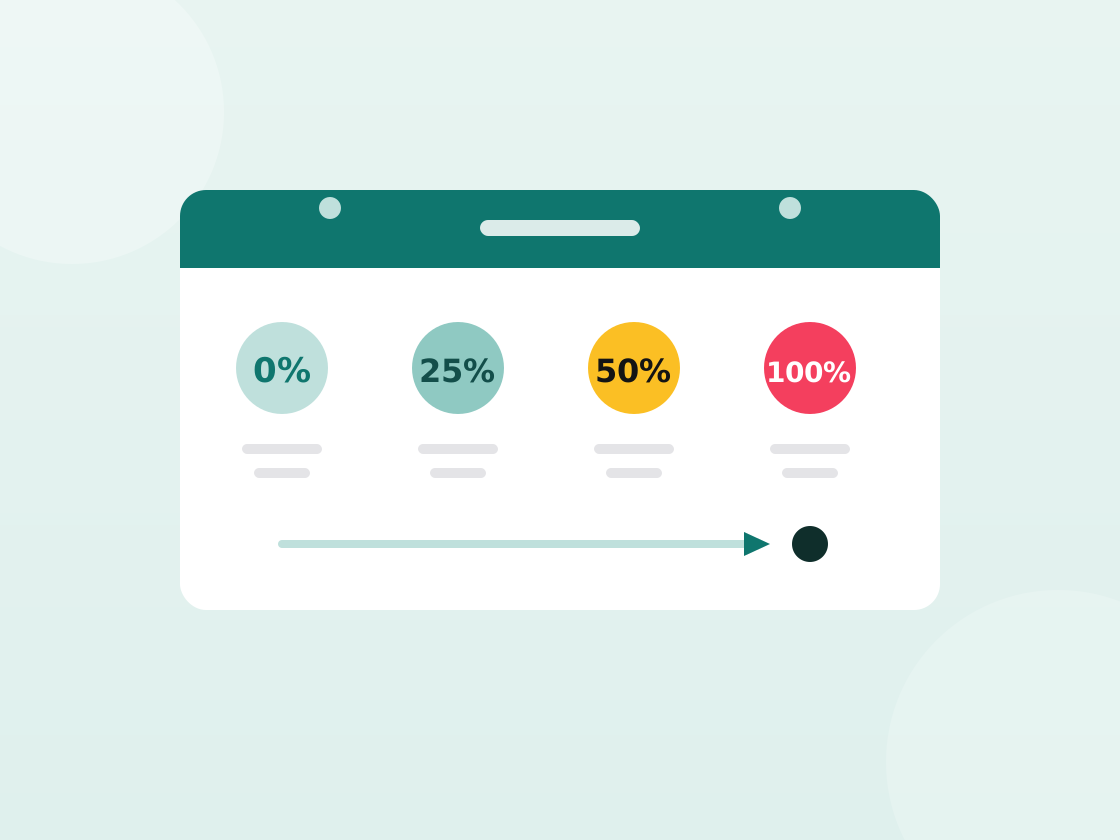
Agreeing deposits and cancellation terms without friction
A cancellation two weeks out costs you the room, the staff and the stock. Here's how to arrange that up front without sounding distrustful.
 Ticket sales
Seven reasons visitors don't finish buying their ticket
On average more than half of visitors drop out between picking a ticket and paying. These are the points where they leave, and what to do about it.
 Requests
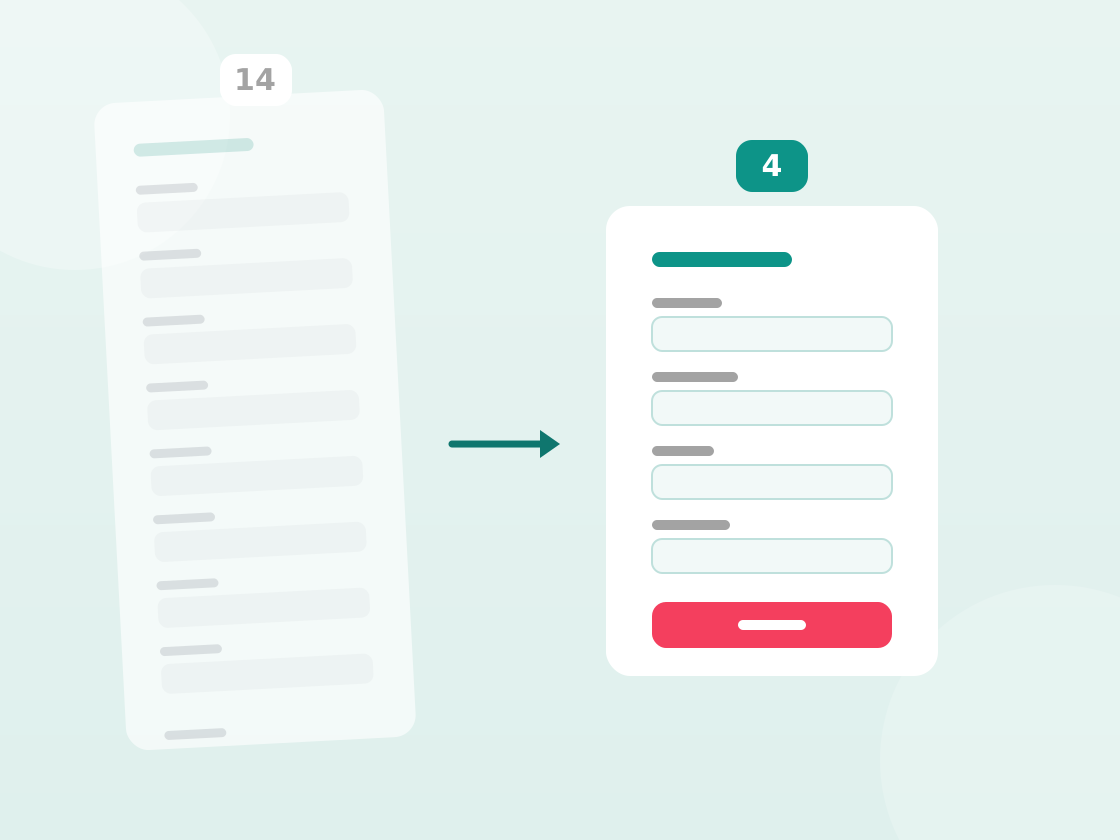
Your enquiry form asks for too much
Every extra field on your enquiry form costs you enquiries. Here's what you actually need to write a good quote, and what can wait.
 Invoicing
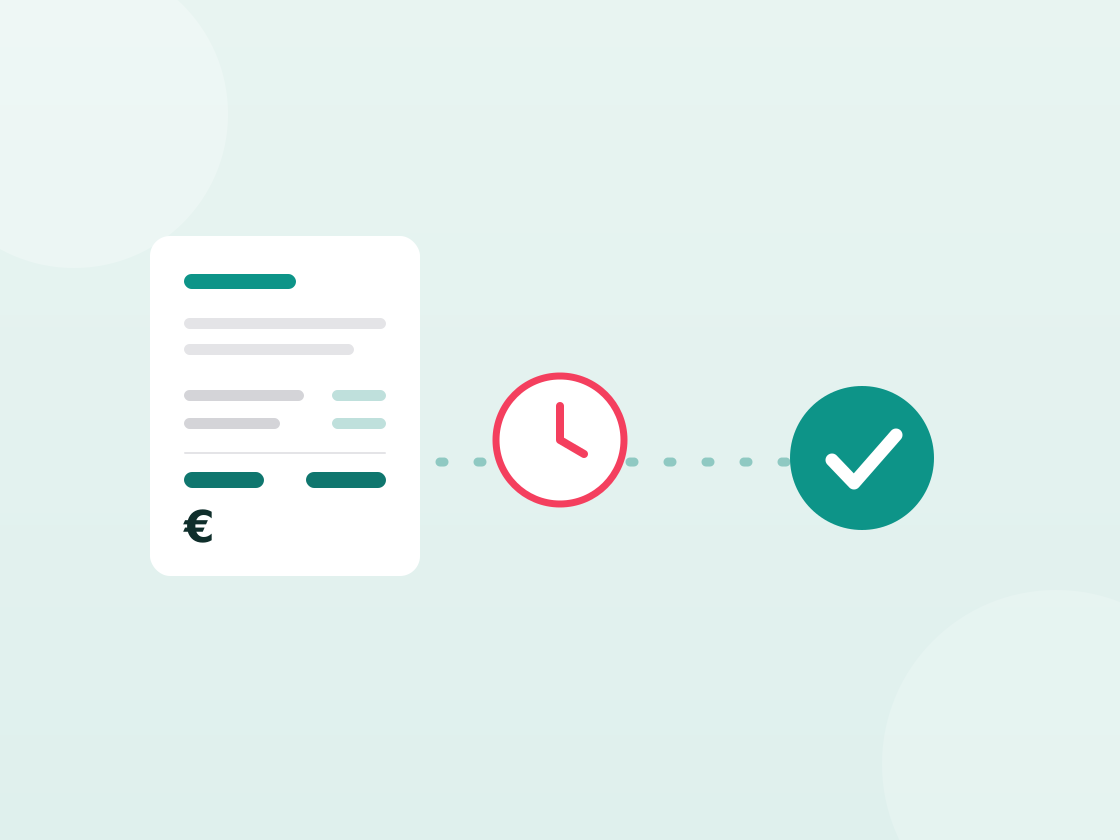
Why your invoices get paid late
The average event invoice stays open for 38 days on a 14-day term. These are the causes, and none of them is that the client doesn't want to pay.
 In practice
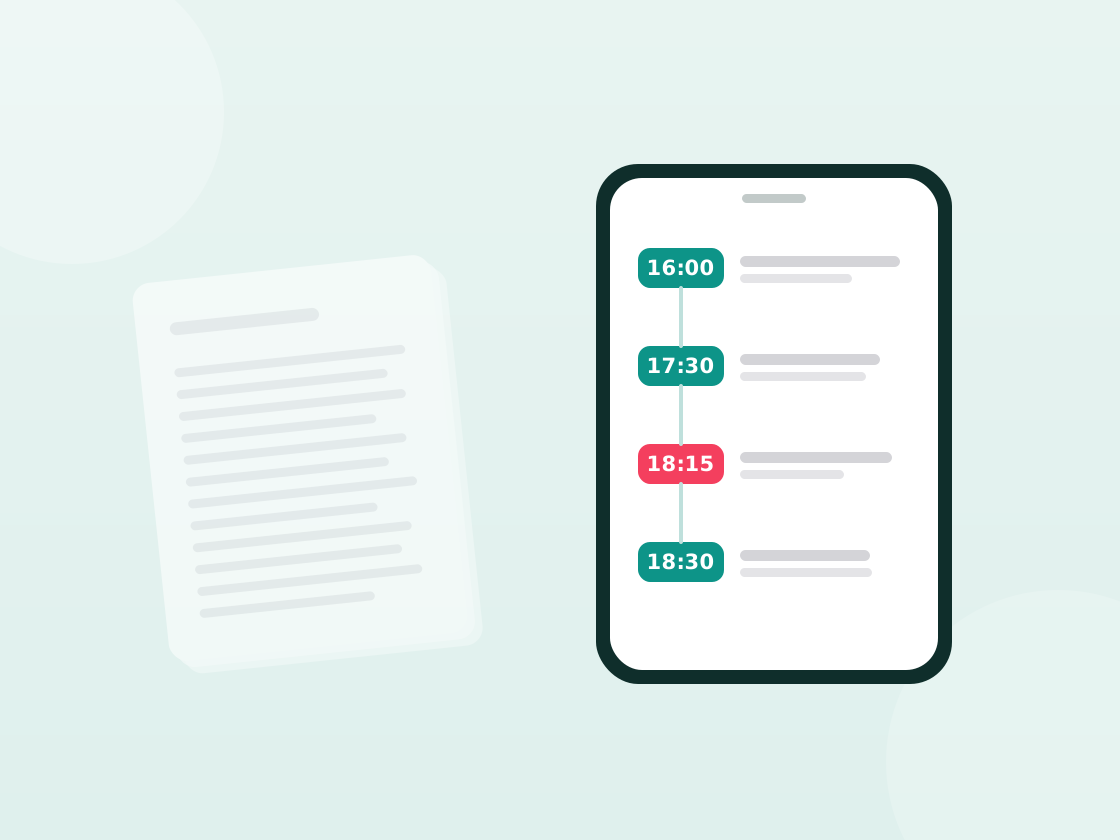
The run sheet your colleagues will actually read
Most run sheets are too long to use during an event. Here's how to write one that survives contact with the floor.
 In practice
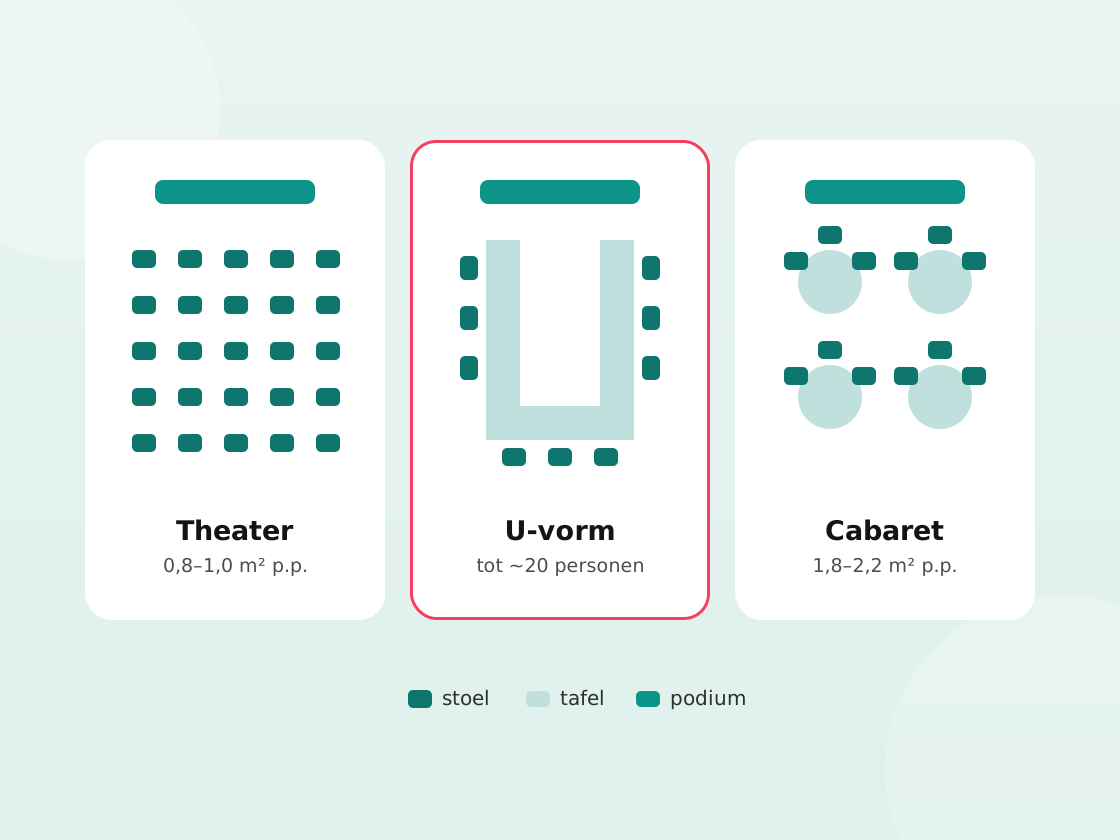
The room layout decides whether people join in
Theatre, cabaret, U-shape or boardroom — the layout governs how much talking happens. A practical overview with space per person.
 Quotes
Raising your prices without losing clients
Most venues raise too late and then too much at once. How to approach it, and what to say to existing clients.
 Ticket sales
Early-bird pricing only works with a real deadline
Ticket rounds don't sell because they're cheaper, they sell because they end. How to structure them without giving away revenue.
 In practice
Why you rebuild the same event every year
Most event teams run the same gathering twenty times a year and start from scratch each time. Here's what to set up once.
 Requests
Which enquiries you're better off declining
Not every enquiry is an opportunity. Four signs an enquiry will cost more time than it returns, and how to say no gracefully.
 Requests
The viewing is your best sales moment
People who have seen the room book considerably more often. How to run a viewing that sells without feeling like selling.
 Quotes
Following up without becoming a nuisance
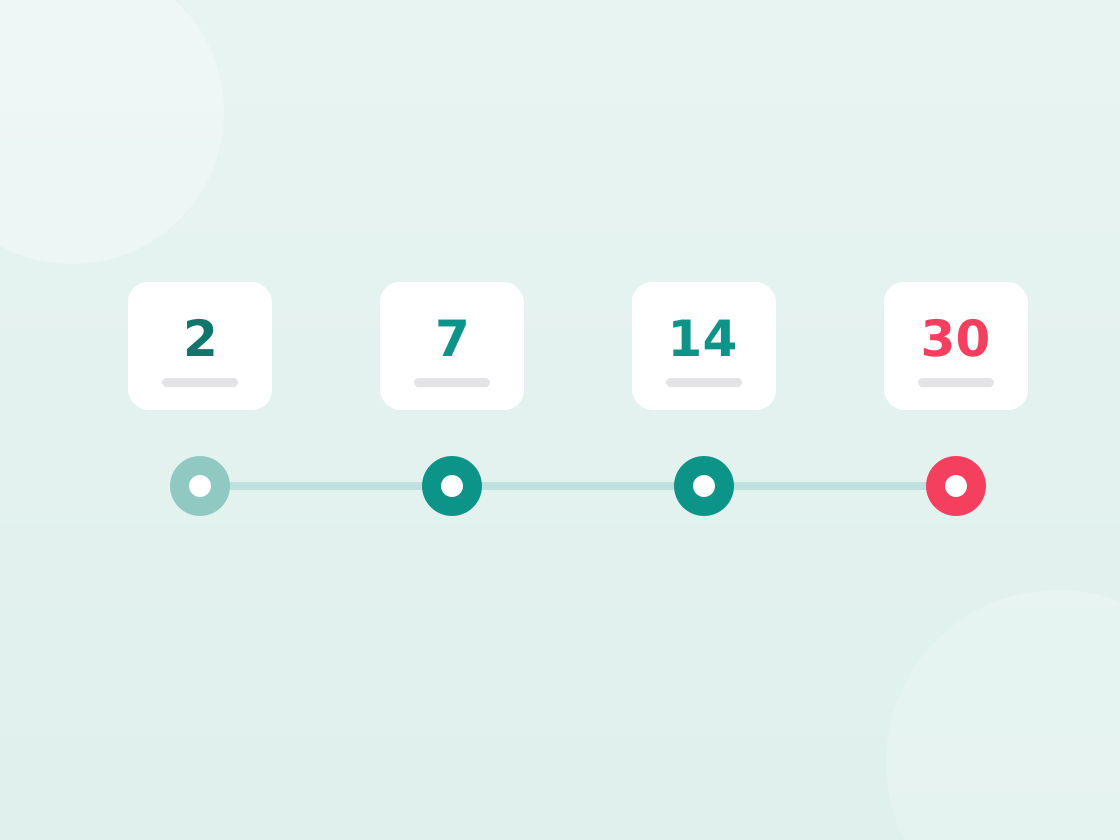
Most quotes are never followed up, and that's where most of the revenue is left behind. A rhythm that works without nagging.
 In practice
How long should you hold a date?
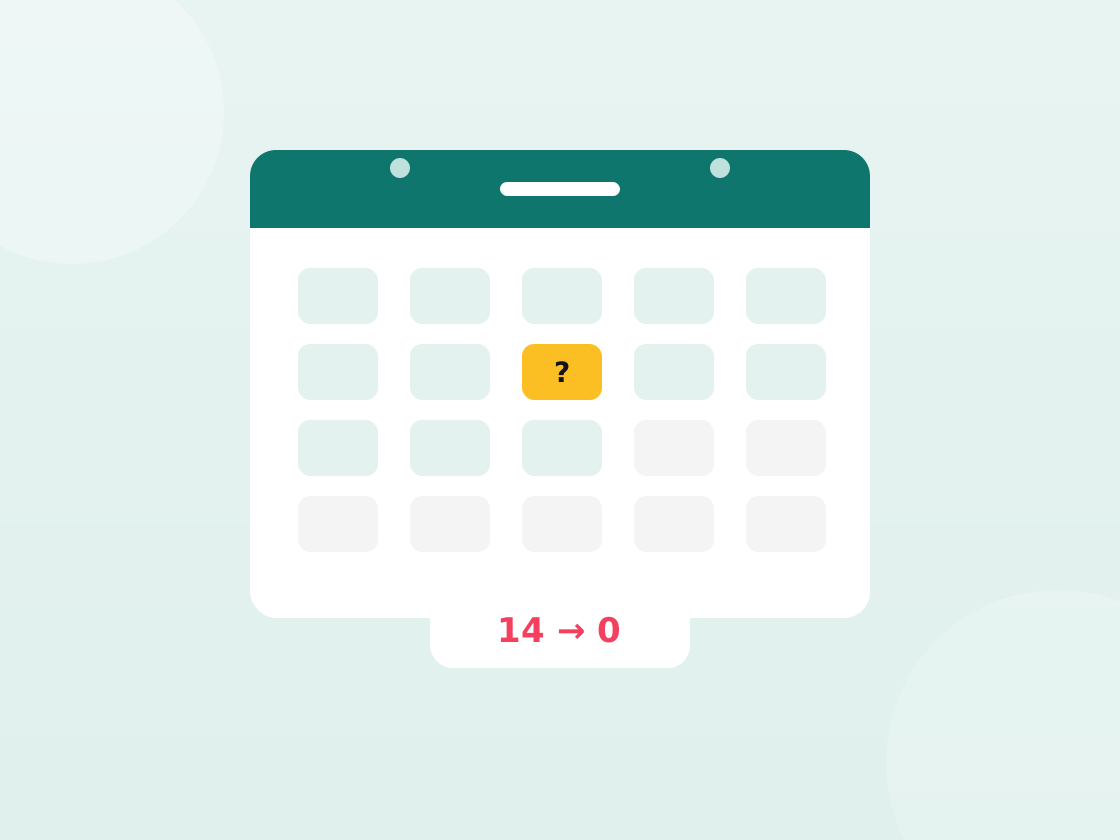
Provisional bookings block your calendar for events that often never happen. A workable term, and what to do when a second enquiry arrives.
 In practice
Why your catering numbers are always slightly wrong
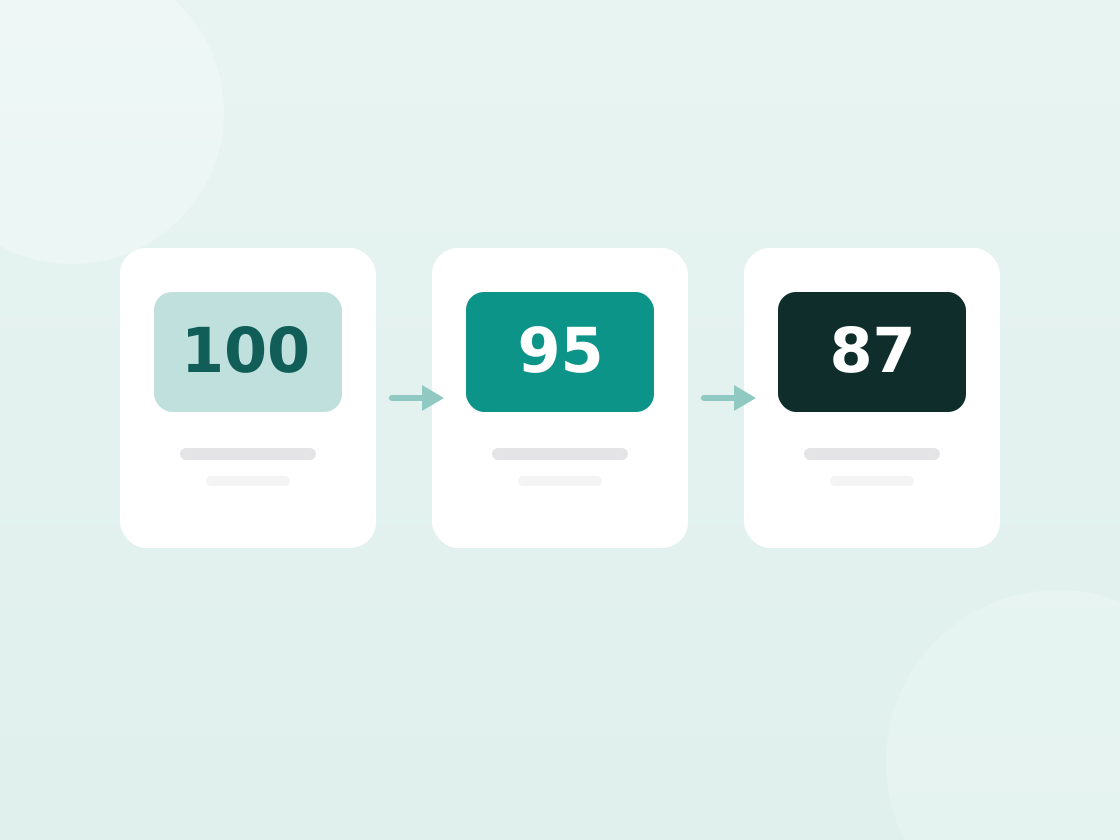
Over-ordering costs margin, under-ordering costs reputation. How to arrive at a number that holds, and who carries the risk.
 In practice
How much staff do you actually need?
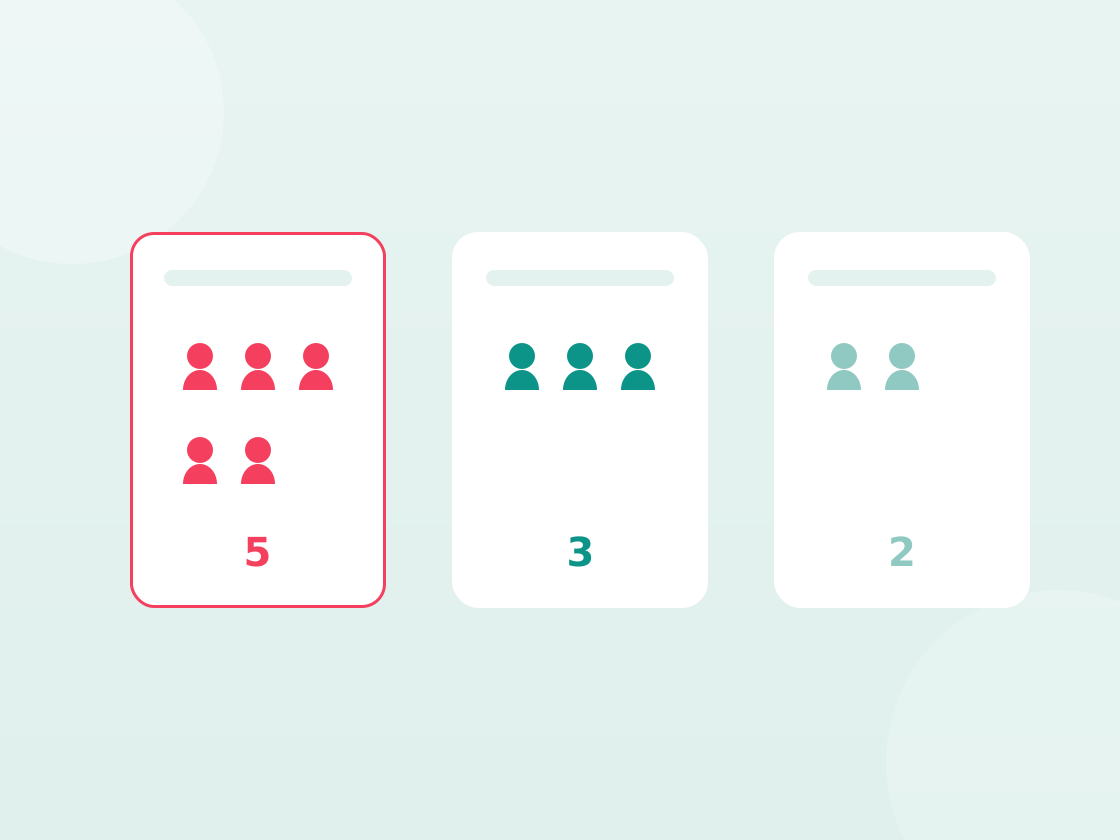
Plan too tight and you lose the evening, too generous and you lose the margin. Guidelines per event type, and where it usually goes wrong.
 Invoicing
Handling a cancellation without losing the client
The terms are on paper, but you still have to have the conversation. How to invoice what you're owed and keep the relationship.
 Invoicing
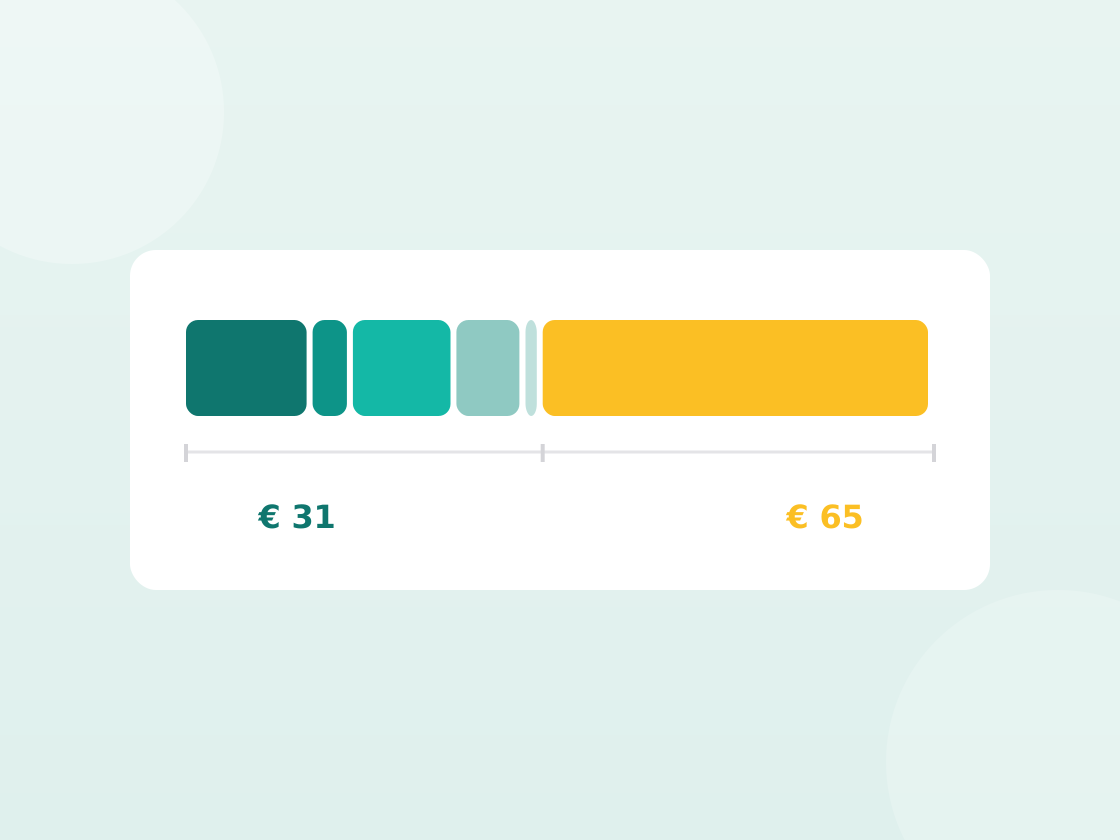
Do you know what your package really costs?
Many packages were priced years ago and only indexed since. How to build a cost price that holds up.
 Ticket sales
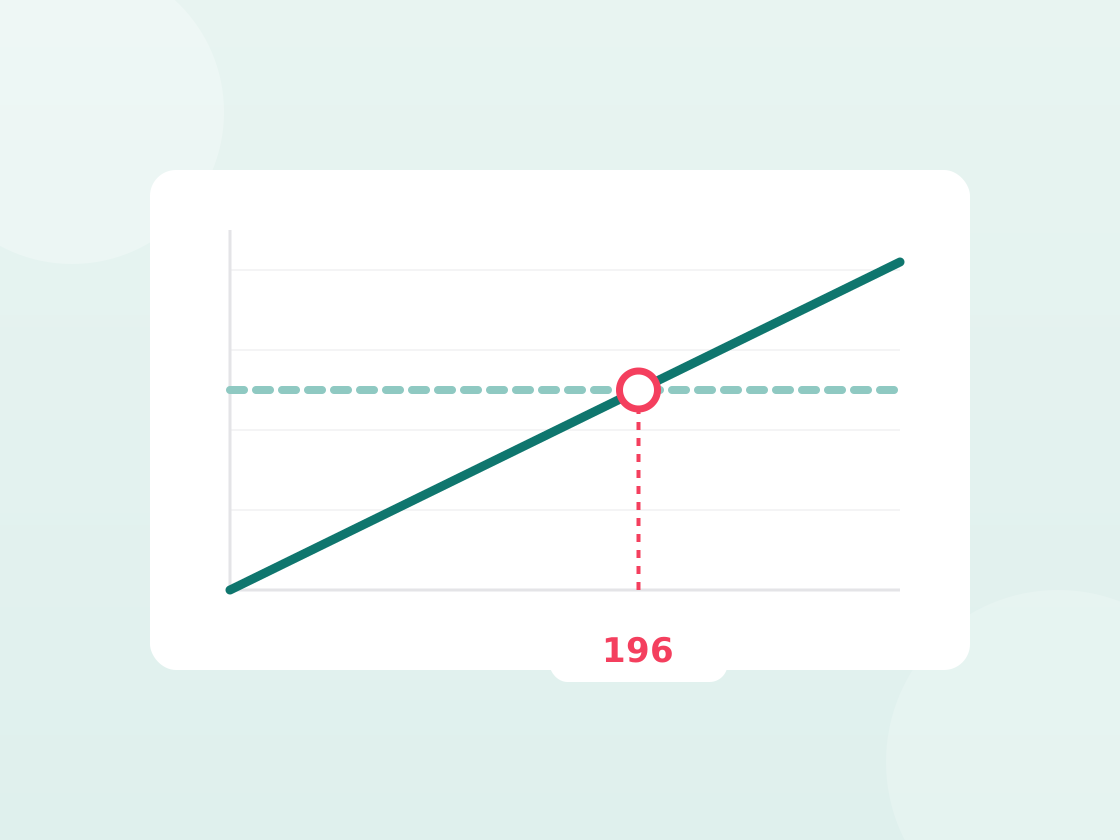
How do you price a ticket?
Cost plus margin doesn't work for events. Four ways to arrive at a price, and why the cheapest is rarely the best.
 Ticket sales
What to do when you're sold out
Sold out isn't an end point but a starting point. How to use a waiting list, and why you should have one regardless.
 In practice
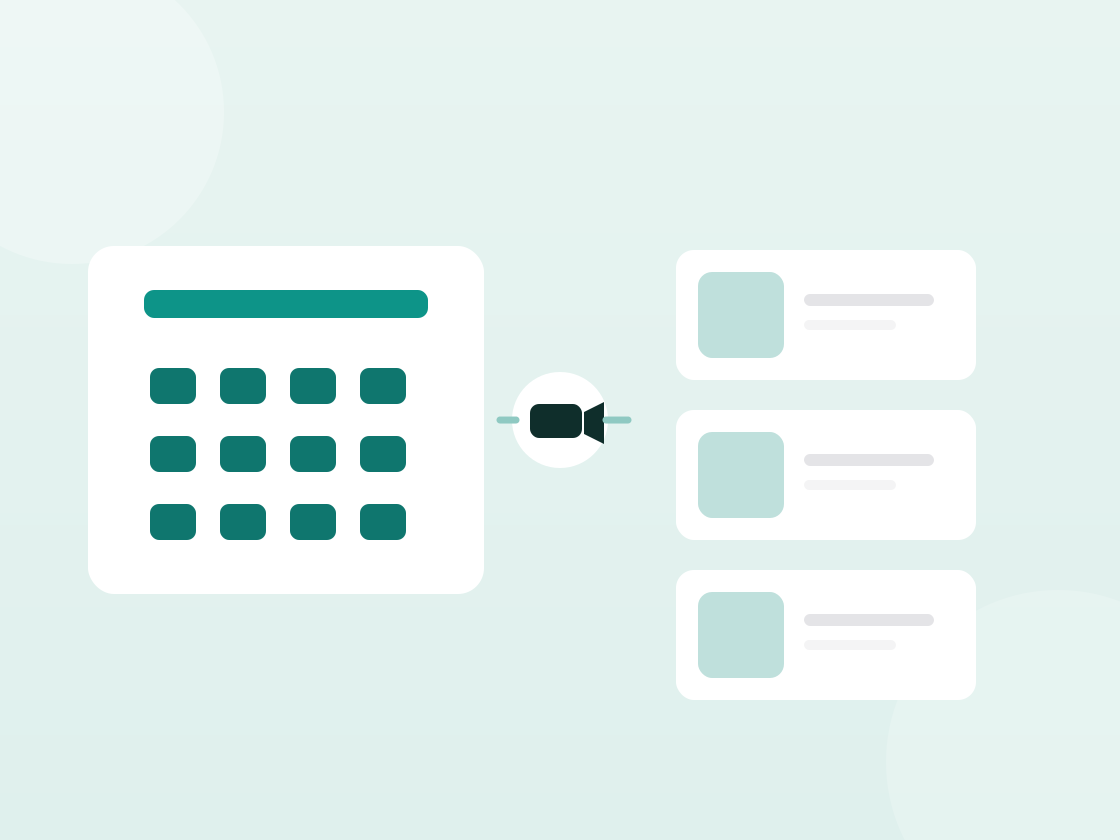
Hybrid events are two events, not one and a half
Adding online attendees sounds like a small extension. In practice it needs its own programme, its own technical setup and its own staffing.
 In practice
Sustainability your guests actually notice
Clients ask about it more and more. These are the measures that genuinely matter, and the ones that mostly just sound good.
 In practice
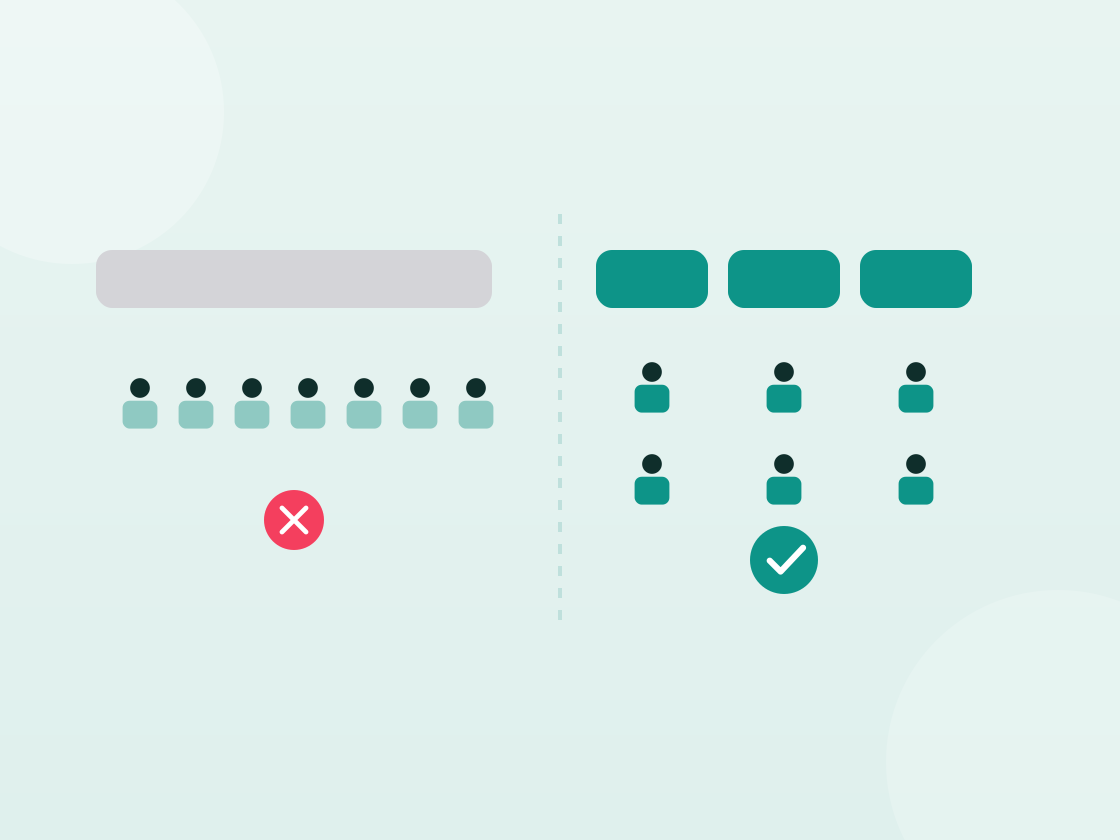
The check-in queue is a design problem
The first ten minutes decide how your event gets judged. Where queues come from and how to design them out.
 In practice
Who calls the caterer when it goes wrong?
An event often has five parties working at once. Without agreement on who decides what, every problem lands with you.
 In practice
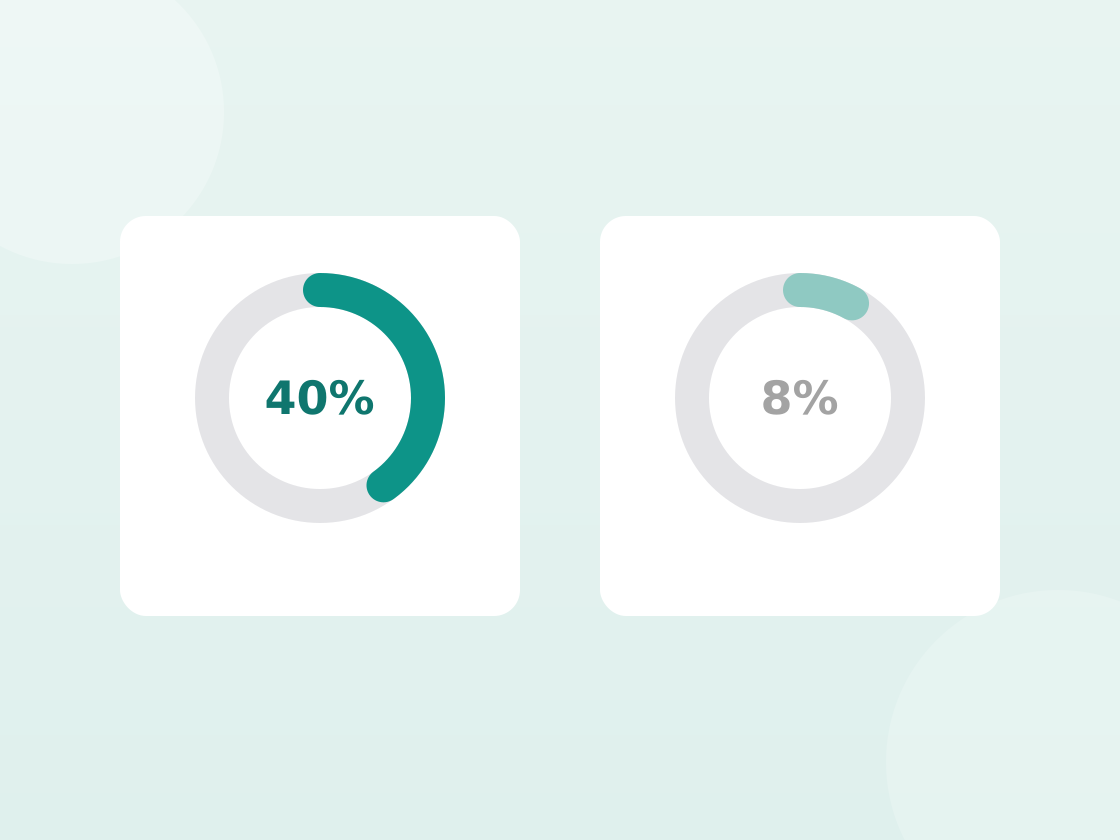
A survey people actually fill in
Most evaluations get under ten percent response and produce numbers you can't use. Five questions that do work.
 Requests
The second booking is cheaper than the first
An existing client costs a fraction of a new one. Yet nearly all the attention goes to winning rather than keeping.
 Ticket sales
What belongs on your event page
Visitors decide in fifteen seconds whether to keep reading. This is the order they look for information, and what they usually can't find.
 Invoicing
Why your deposit arrives late
A deposit that only lands after three reminders costs more than money. How to make it part of signing.
 Quotes
What to do with January and July
Every venue has quiet months. Four ways to fill them without permanently lowering your rates.
 In practice
Moving to new software without stopping everything
The biggest fear about a new system is that live events get disrupted. An order of operations that prevents it.
From request to invoice in one platform
Try MiceBird free for fourteen days. Your offering in it, your branding around it — no implementation project.