
The viewing is your best sales moment
People who have seen the room book considerably more often. How to run a viewing that sells without feeling like selling.
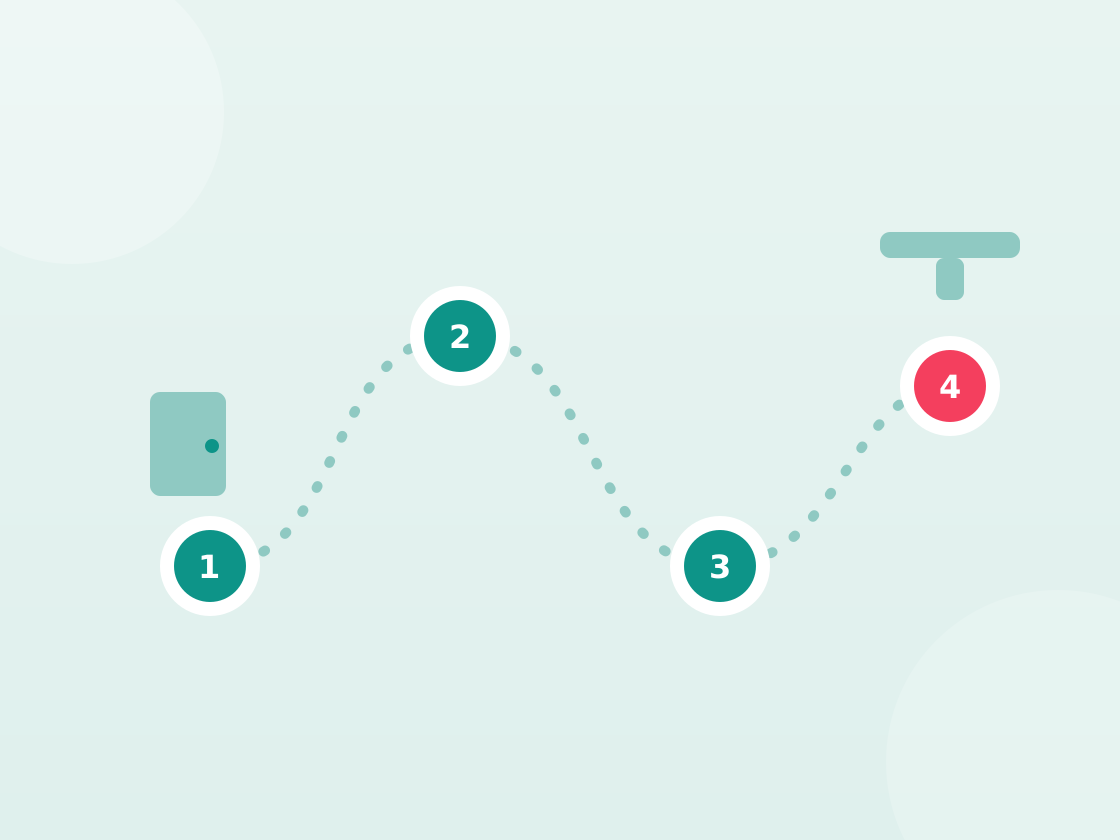
A quote is a document. A viewing is an experience. At nearly every venue, enquiries that include a visit convert far better than those without — and yet the viewing is often treated as a formality between two emails.
That's a waste, because it's the only moment when someone feels your venue instead of reading about it.
Prepare for this client
The difference between a viewing and a good viewing is five minutes of preparation. Read the enquiry again before they arrive: what kind of event, how many people, which date, what did they say mattered?
Someone coming in about a wedding needs to hear something different from someone planning a shareholders' meeting. Same room, different story. "The buffet usually goes here" lands differently from "this is where you'd raise a glass after the ceremony".
Walk the guest's route, not yours
Most viewings start at the main hall, because it makes an impression. But your guest starts at the car park, then the entrance, then the cloakroom, and only then sees the hall.
Walk that order. It makes the venue concrete: where people arrive, where they hang their coats, which member of staff they meet first. Precisely the things an organiser worries about and that rarely appear in a quote.
Let the silence sit
The most common mistake is talking throughout. A room makes its own impression if you're quiet for a moment. Walk in, set the lighting as it would be on the night, and say nothing for three seconds.
In that silence the real work happens: the other person pictures their own event. What they say next — "we could do the speeches here" — is worth more than anything you could have told them.
Take away the questions you can't answer
Something always comes up that you don't know the answer to. Whether the sound system suits a live band, whether the room can run an hour longer, whether there's a vegetarian alternative to the chosen menu.
Write it down in front of them. That does two things: it shows you're taking it seriously, and it gives you a legitimate reason to email back within a day — with the quote underneath.
Show them the room in the right state
A hall in daylight with the chairs stacked is a different space from the same hall at seven in the evening with the lighting set. Most viewings happen in the former and most events take place in the latter.
You can't always change the hour, but you can change the room. Set the lighting as it would be, put one table out the way it would be dressed, close the curtains if the event is an evening one.
That's five minutes of work and it removes the biggest objection a viewing leaves behind: an organiser who saw an empty hall and can't picture it full.
Ask what still has to happen
Don't close with "I'll send you a quote", but with "what do you need in order to decide?" The answer is almost always useful: sign-off from a manager, a second venue to see, waiting on final numbers.
Now you know what your quote has to address, and when following up is worth doing. That's a very different conversation from hoping something comes back.
Read on
More articles
 Requests
Why the fastest quote almost always wins the booking
Respond to a request within a day and you win the work considerably more often. Here's where that time actually goes — and how to get it back.
 Requests
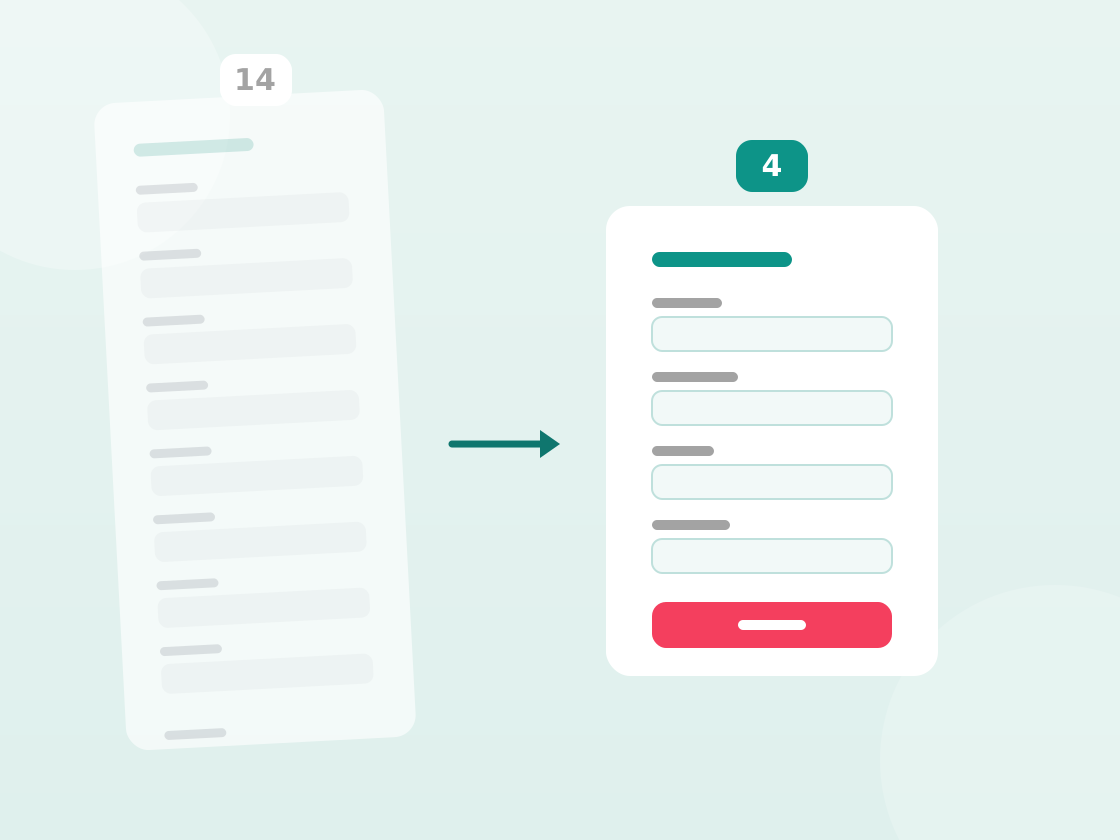
Your enquiry form asks for too much
Every extra field on your enquiry form costs you enquiries. Here's what you actually need to write a good quote, and what can wait.
 Requests
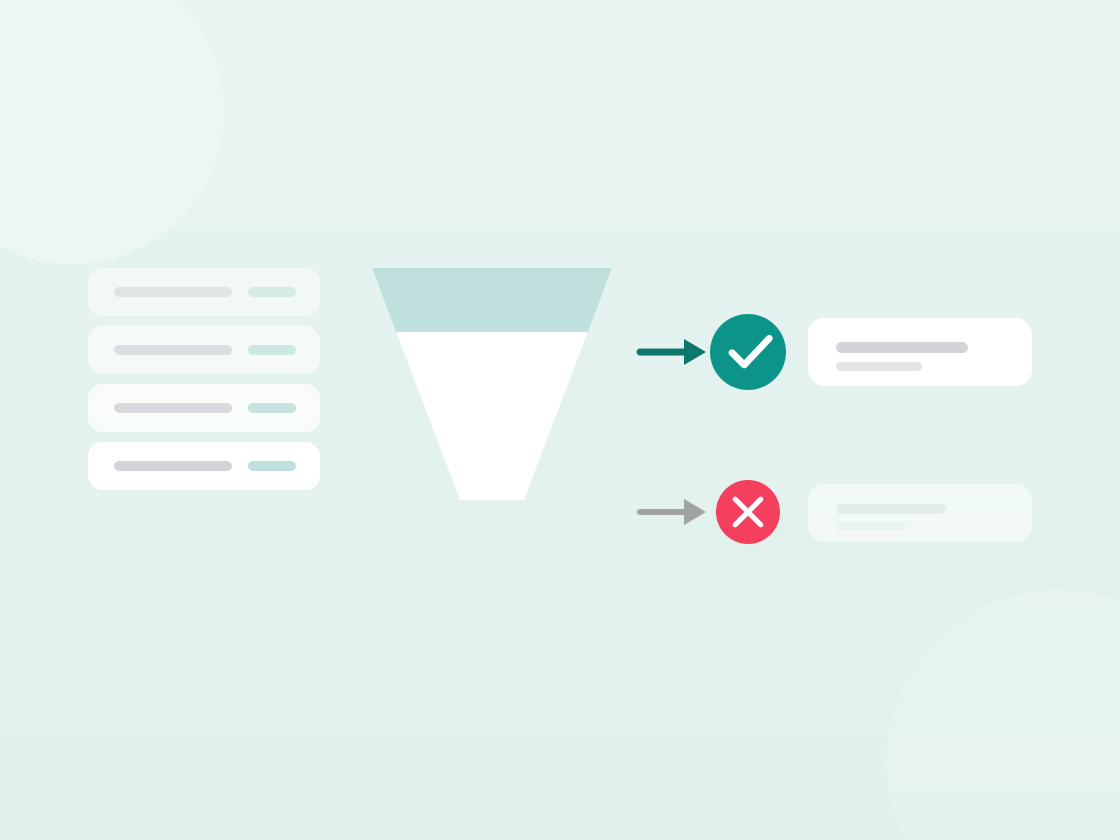
Which enquiries you're better off declining
Not every enquiry is an opportunity. Four signs an enquiry will cost more time than it returns, and how to say no gracefully.
From request to invoice in one platform
Try MiceBird free for fourteen days. Your offering in it, your branding around it — no implementation project.