
Which enquiries you're better off declining
Not every enquiry is an opportunity. Four signs an enquiry will cost more time than it returns, and how to say no gracefully.
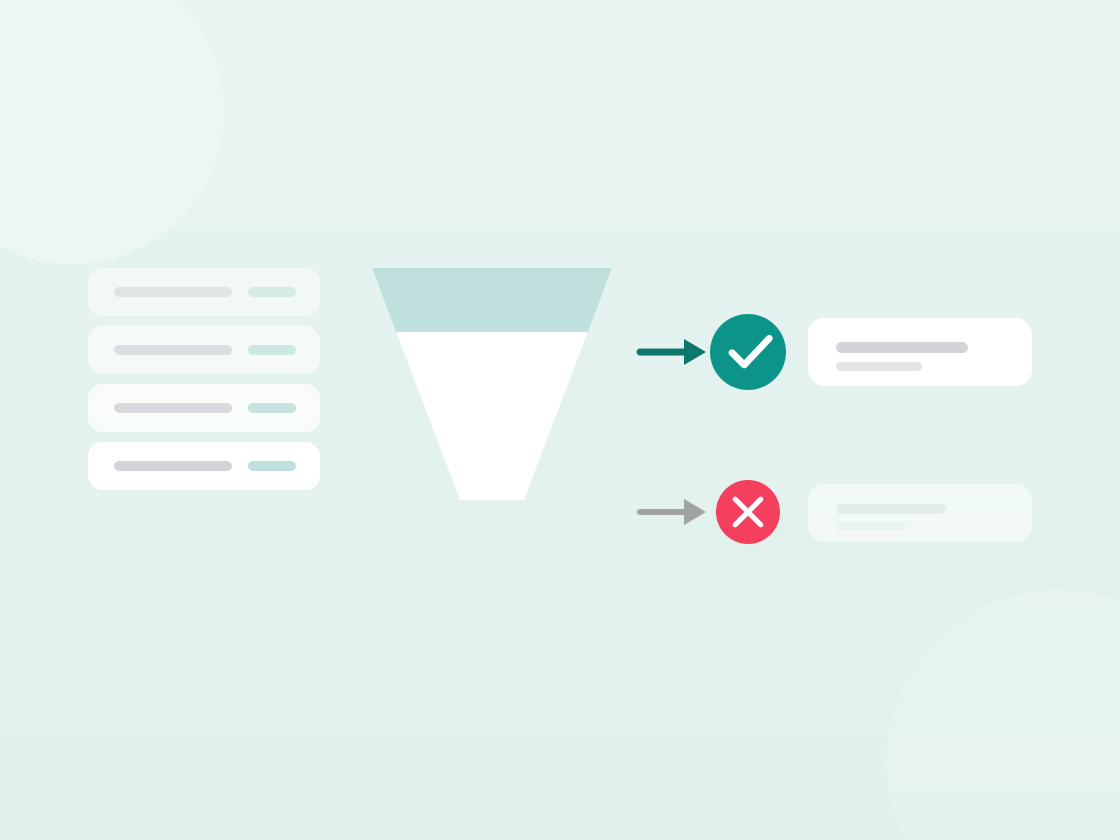
There are weeks where the inbox is full and the calendar stays quiet. Plenty of enquiries, plenty of quotes, few bookings. The reflex is to work harder: reply faster, quote in more detail, sharpen the price.
Sometimes that's the answer. More often it's the mix: some of those enquiries were never going anywhere, and the time they consumed was time the serious ones didn't get.
An enquiry costs more than you think
Work it out for your own venue. Checking availability, assembling options, drawing up a quote, two follow-up calls, a viewing. At most venues that's two to four hours per serious enquiry.
At a thirty percent conversion rate, every booking costs you seven to thirteen hours, most of it on enquiries that came to nothing. That isn't a problem — that's selling. It becomes a problem when a share of those hours was predictably wasted.
Four signs
The date is taken and the enquirer won't move. The simplest one, and it still eats time because saying no straight away feels rude. Do it anyway. Offer one alternative date and let it go if that doesn't work.
The budget doesn't fit your offering. An enquiry for a hundred people at twenty-five euros a head isn't a negotiation, it's a mismatch. Put your from-price in the first reply. Whoever drops out was never a client; whoever continues knows what they're getting into.
The enquirer isn't the decision-maker and barely knows them. "I'm just gathering some options for someone else" means your quote lands on a list you have no influence over. Not necessarily a refusal, but: less time, standard proposal, no viewing.
It's the third time the same party has asked with no commitment. Some organisations collect quotes annually to keep their current supplier sharp. After two rounds with no booking, you're entitled to say so out loud.
Saying no costs nothing
The fear is that a refusal loses you a client. In practice the opposite happens: a clear, quick no earns a thank-you more often than a quote that comes to nothing after three weeks.
Three sentences will do. Say it doesn't fit, say briefly why, and point somewhere else if you can — a neighbouring venue, another date, a smaller package. That costs a minute and earns you a reputation for being straight with people.
What you get back
The time freed up goes to the enquiries that can work. Offering a viewing this week instead of next. A quote out within a day instead of three. One follow-up call at the moment it counts.
That's where conversion comes from: not from more enquiries, but from more attention to the ones that deserve it.
Read on
More articles
 Requests
Why the fastest quote almost always wins the booking
Respond to a request within a day and you win the work considerably more often. Here's where that time actually goes — and how to get it back.
 Requests
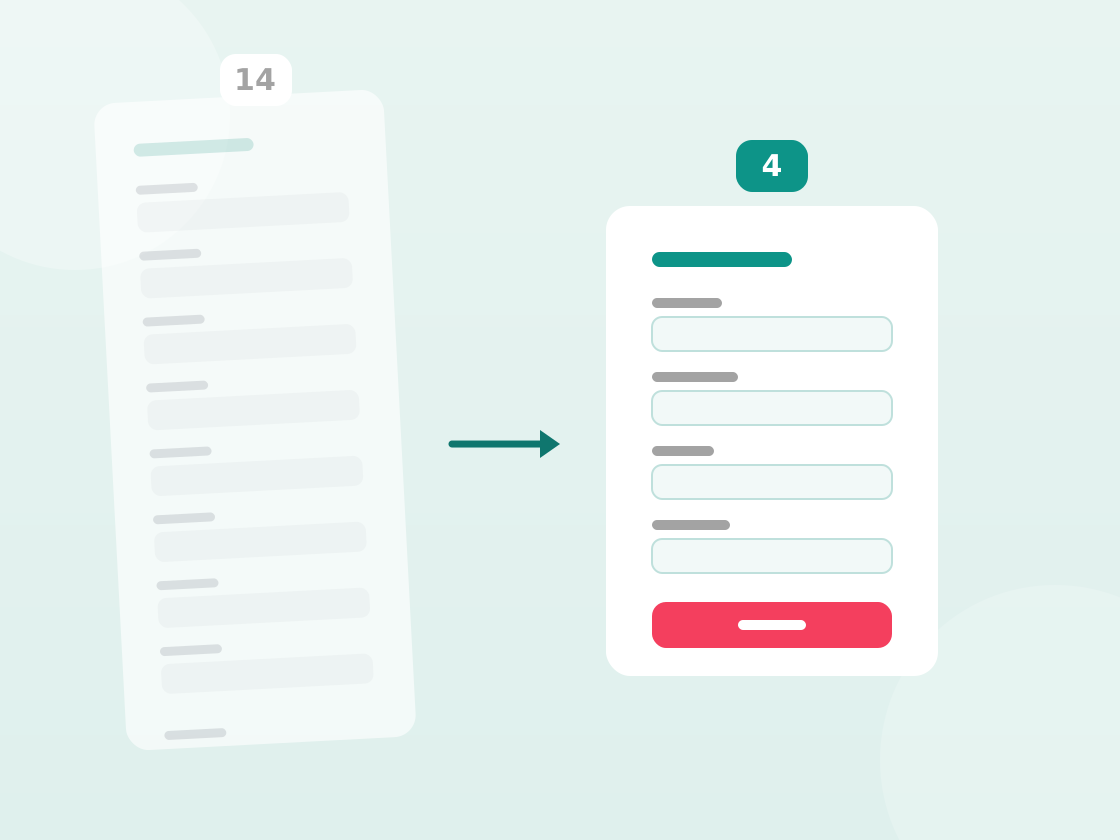
Your enquiry form asks for too much
Every extra field on your enquiry form costs you enquiries. Here's what you actually need to write a good quote, and what can wait.
 Requests
The viewing is your best sales moment
People who have seen the room book considerably more often. How to run a viewing that sells without feeling like selling.
From request to invoice in one platform
Try MiceBird free for fourteen days. Your offering in it, your branding around it — no implementation project.