
Why you rebuild the same event every year
Most event teams run the same gathering twenty times a year and start from scratch each time. Here's what to set up once.
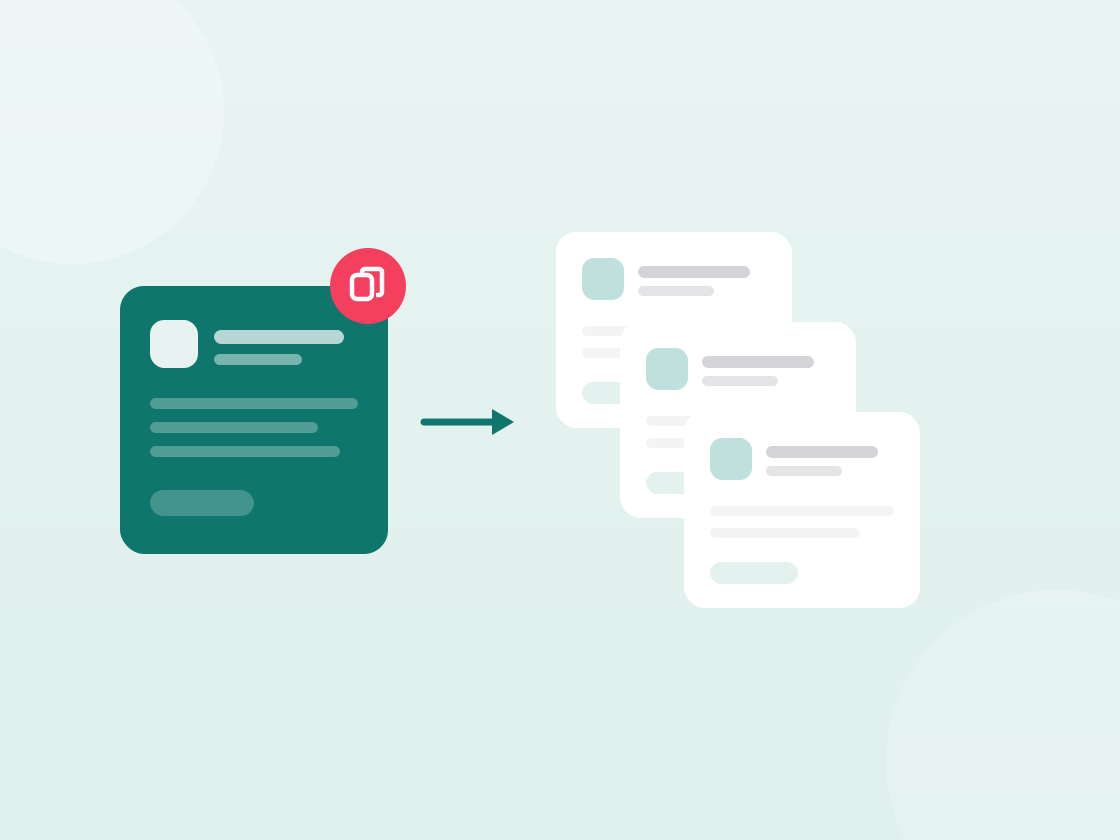
Ask a venue how many different kinds of events they run and the answer is "loads". Watch the calendar for a year and there are five: the meeting with lunch, the company party, the conference, the dinner, and the drinks reception.
Everything within those differs in date, headcount and name. The structure is the same every time — and gets reinvented every time.
What happens again each time
For this year's twentieth meeting with lunch, someone works out again which rooms are suitable, looks up the package price again, writes a quote again modelled on the last one, writes a run sheet again, and decides again which email the attendees get beforehand.
Easily two hours all told. Twenty times a year, that's five working weeks of work nobody ever decided to repeat.
What setting it up once gets you
A template for a recurring event type captures what doesn't change:
- which rooms and layouts are eligible
- the standard package with the right prices and VAT rates
- the quote wording and the terms
- the run sheet with its fixed time blocks
- the emails: confirmation, reminder, thank-you
What does change — date, headcount, contact, special requests — you fill in per event. That's ten minutes instead of two hours.
The real benefit isn't the time
Time saved is the visible return. The bigger one is that quality no longer depends on who happens to pick it up.
A colleague who's been there four months delivers what you would with a template: the same terms, the same VAT rates, the same confirmation email. Without one they deliver their own interpretation of whatever they saw in the last quote — including the mistake that happened to be in it.
Start with the type you run most
Not the most complicated one. The most frequent type saves the most time and is the best worked out, because you've already done it a hundred times.
Build one, use it for a month, and adjust it wherever you kept editing it by hand anyway. That's exactly the maintenance a template needs.
Read on
More articles
 In practice
Why one in five registrations never turns up
At free events only 70 to 80 percent of registrations typically show. What causes no-shows, and what genuinely reduces them.
 In practice
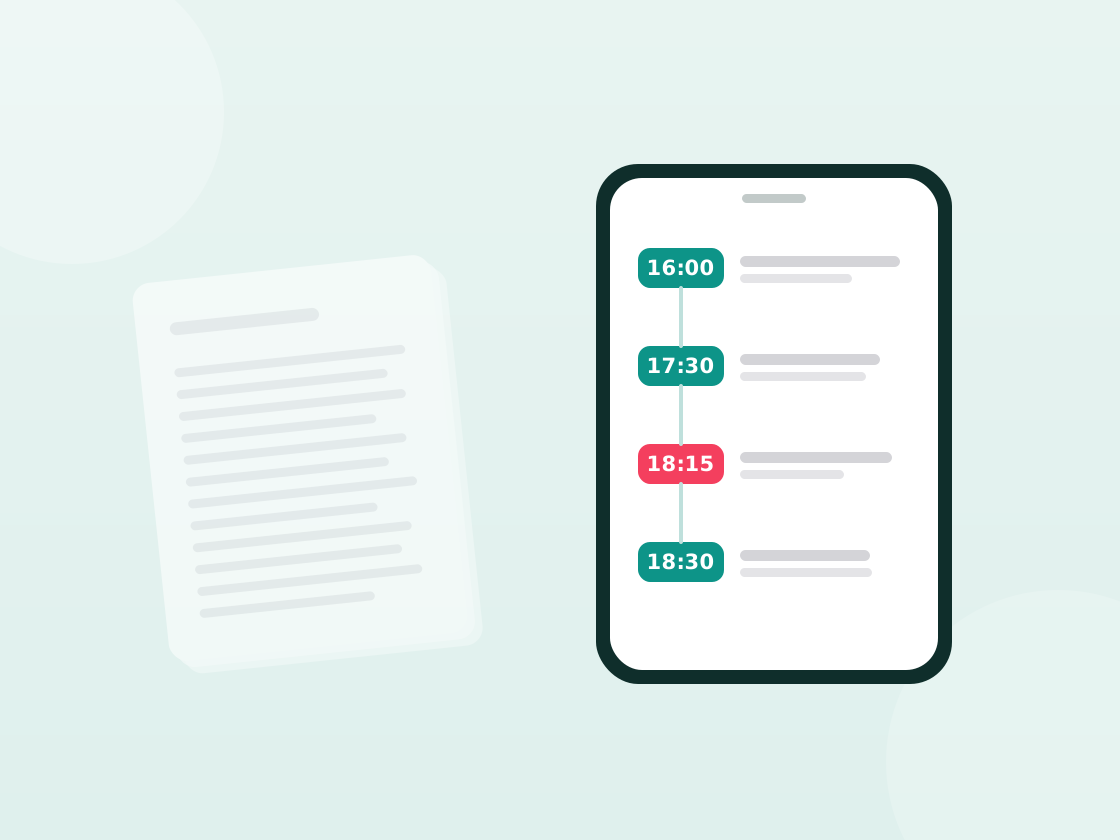
The run sheet your colleagues will actually read
Most run sheets are too long to use during an event. Here's how to write one that survives contact with the floor.
 In practice
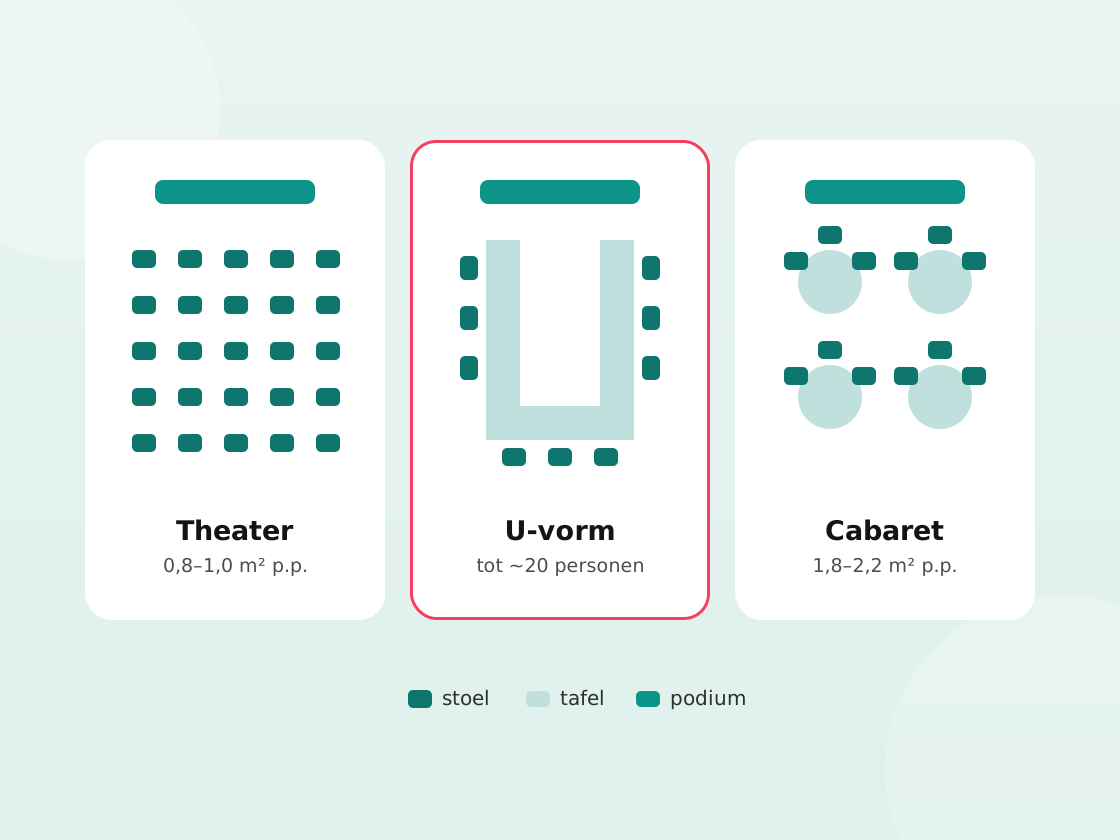
The room layout decides whether people join in
Theatre, cabaret, U-shape or boardroom — the layout governs how much talking happens. A practical overview with space per person.
From request to invoice in one platform
Try MiceBird free for fourteen days. Your offering in it, your branding around it — no implementation project.