
The run sheet your colleagues will actually read
Most run sheets are too long to use during an event. Here's how to write one that survives contact with the floor.
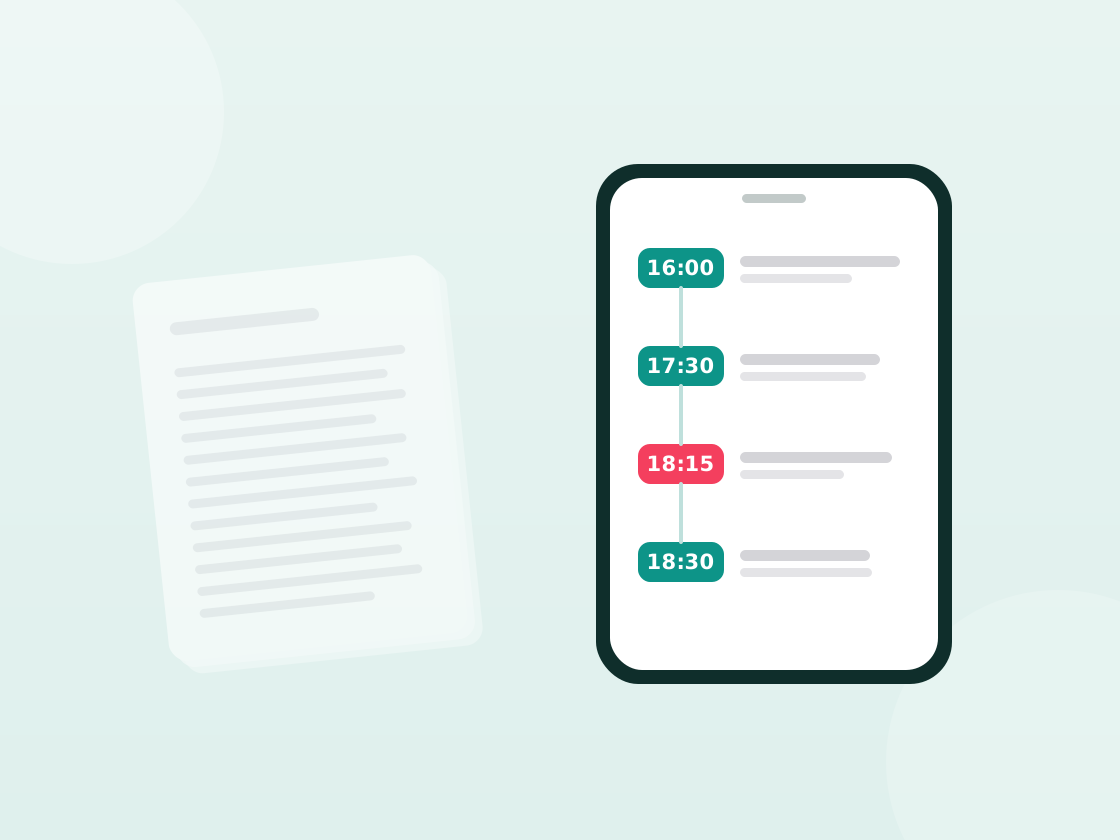
The run sheet is fourteen pages, neatly formatted, and during the event nobody opens it. The bar staff ask what time the speech is. The technician calls about a microphone that's in appendix B. You spend the whole evening being the search function.
That isn't your colleagues' fault. A fourteen-page document was never designed to be consulted standing up, in a half-dark room, holding a tray.
One timeline, no chapters
A run sheet that works on the floor is a single continuous list by time, from set-up to breakdown. No sections per department — those force everyone to jump between pages to see what's happening at the same moment.
Four things per line: what time, what, who, where. Anything that doesn't fit belongs in an appendix nobody needs during the event.
| Time | What | Who | Where |
|---|---|---|---|
| 16:00 | Room ready, technical check | Mark | Main hall |
| 17:30 | Reception, cloakroom open | Lisa + 2 | Foyer |
| 18:15 | Welcome address | Client (Joost) | Stage |
| 18:30 | Dinner, first course | Kitchen | Main hall |
Write names, not roles
"Technical" is nobody. "Mark" is someone you can go and find. Add phone numbers for the four people who genuinely matter during the event — including the client's contact, because half the questions on the night are about something only they know.
Put in what goes wrong
The part that's usually missing is the part that gets consulted most:
- Who decides if the programme overruns?
- What do we do if it rains, when something is outdoors?
- Who calls the caterer if there are twenty extra guests?
- Where are the spare microphones?
Four lines. They save you ten phone calls during the event.
One page, on a phone
Don't print it as a document — publish it as a list that's readable on a phone screen. Your colleagues have their phones on them, and your paper run sheet is behind the bar.
The test is simple: can someone joining at 17:00 see in thirty seconds what they need to do at 17:30? If not, it's still a document and not a run sheet.
Read on
More articles
 In practice
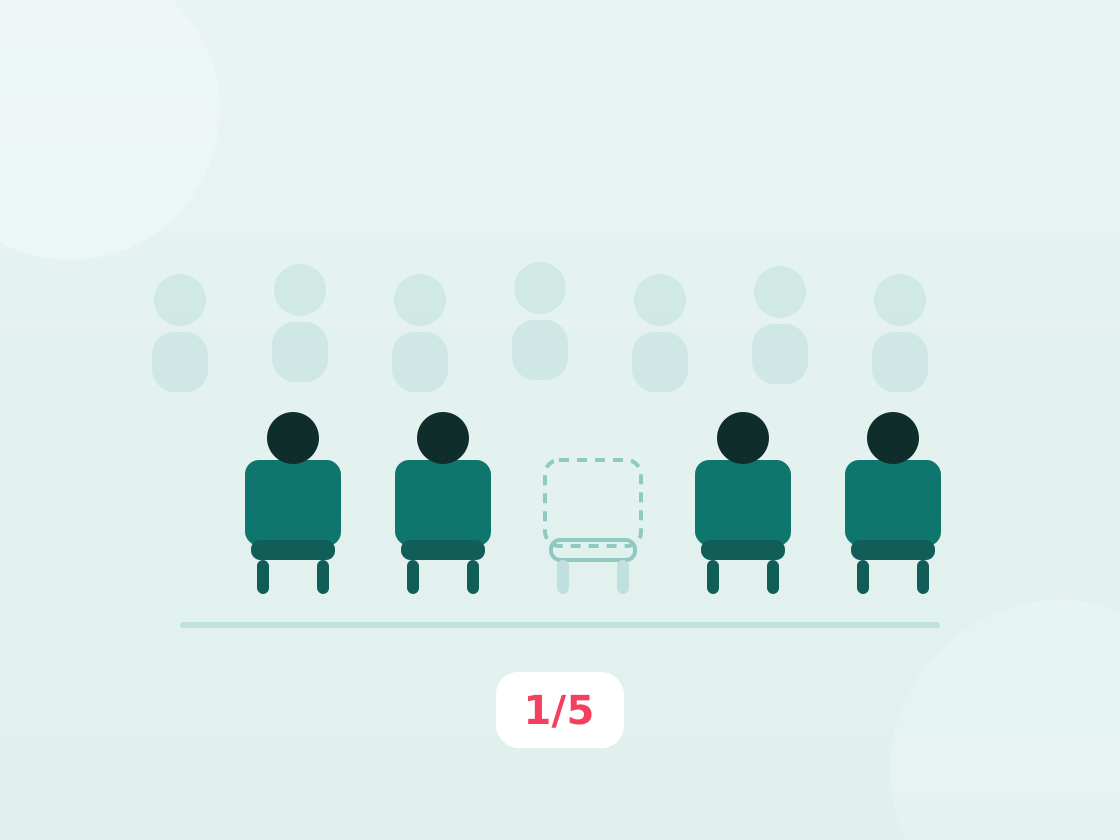
Why one in five registrations never turns up
At free events only 70 to 80 percent of registrations typically show. What causes no-shows, and what genuinely reduces them.
 In practice
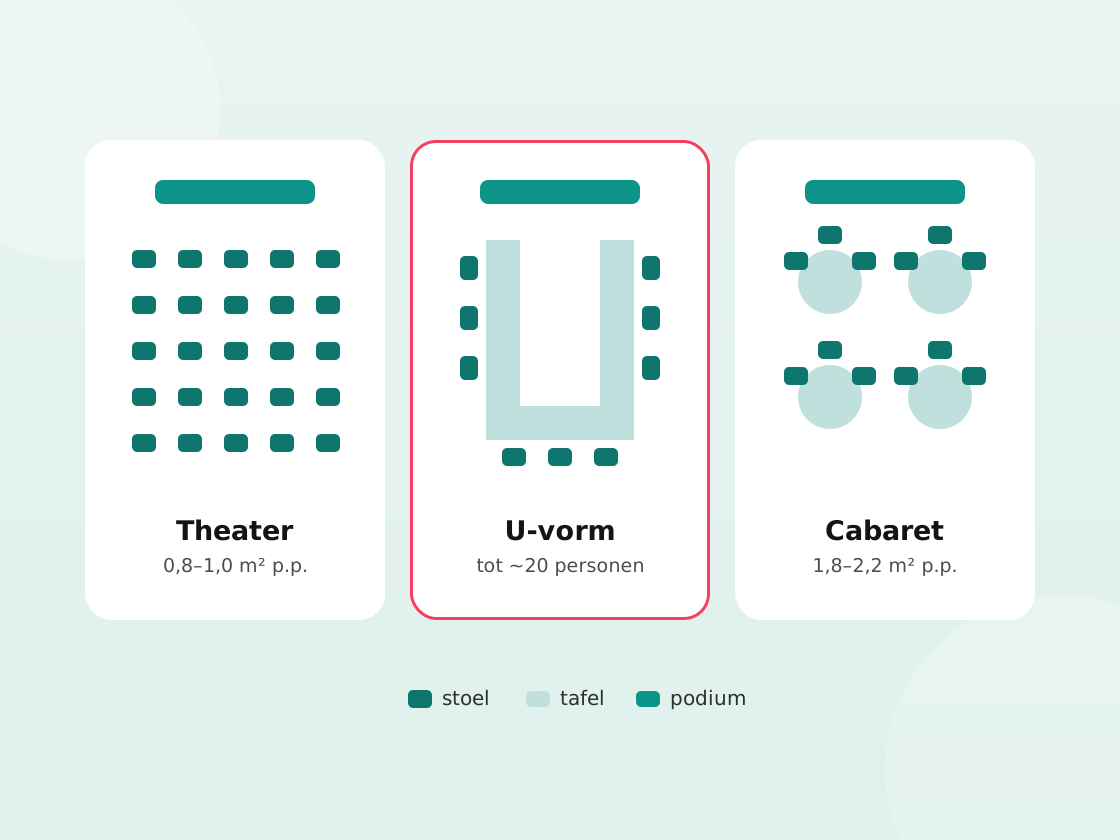
The room layout decides whether people join in
Theatre, cabaret, U-shape or boardroom — the layout governs how much talking happens. A practical overview with space per person.
 In practice
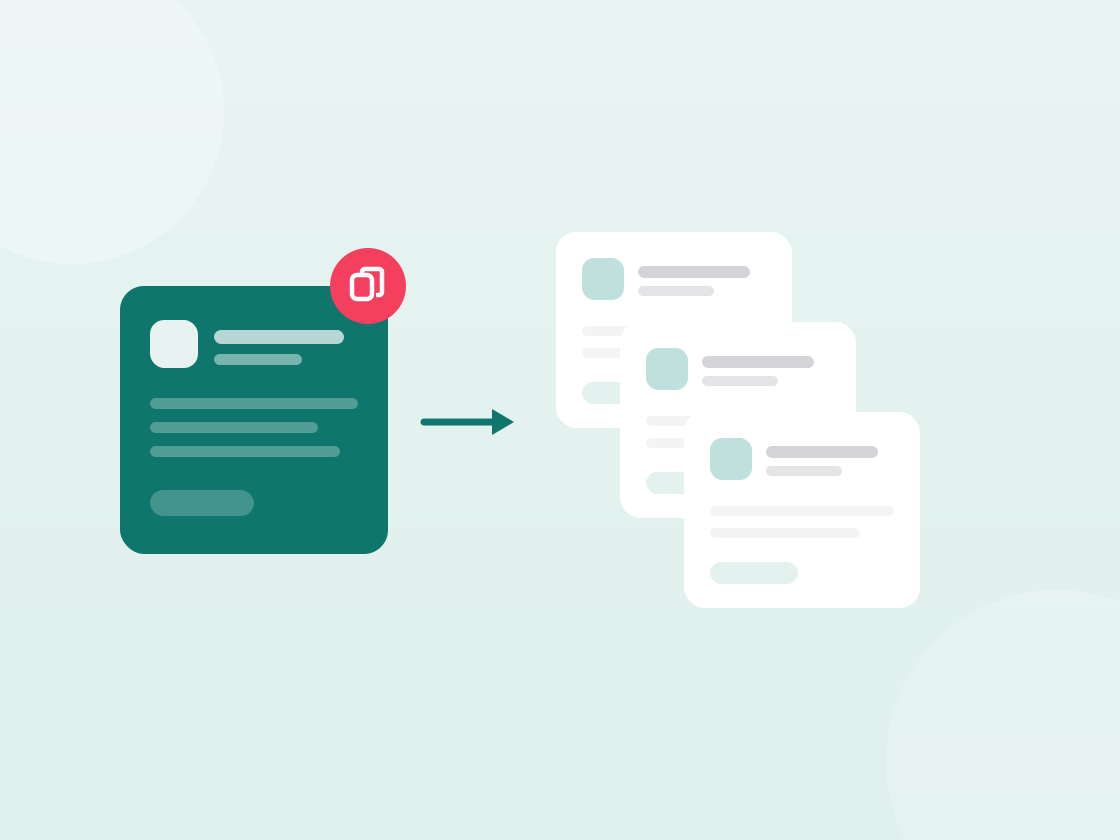
Why you rebuild the same event every year
Most event teams run the same gathering twenty times a year and start from scratch each time. Here's what to set up once.
From request to invoice in one platform
Try MiceBird free for fourteen days. Your offering in it, your branding around it — no implementation project.