
Why one in five registrations never turns up
At free events only 70 to 80 percent of registrations typically show. What causes no-shows, and what genuinely reduces them.
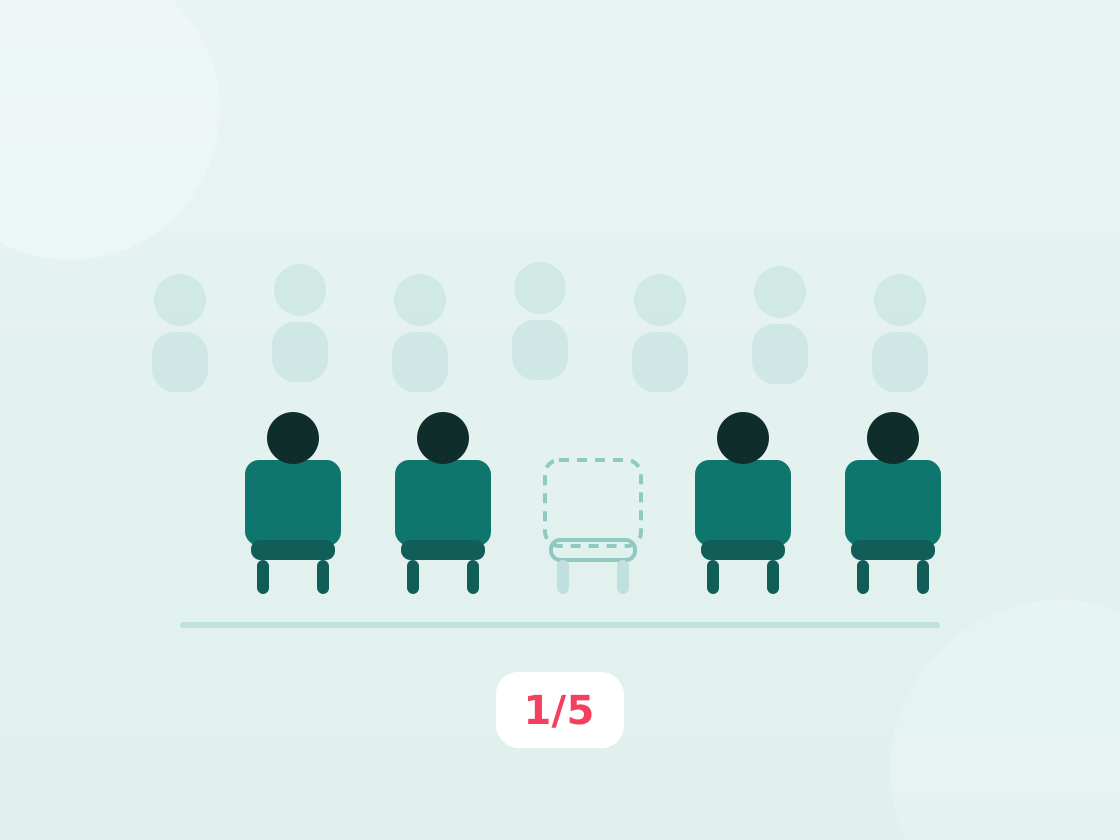
You have 120 registrations, you order catering for 120, and 94 people arrive. You've paid for 26 lunches nobody eats, and the room is set out too generously.
At free events, attendance of 70 to 80 percent is the rule rather than the exception. That isn't a lack of interest — it's what happens when registering costs nothing and asks nothing.
Where no-shows come from
Registering took no effort. A ten-second form produces a registration with barely a decision behind it. Someone signs up "just in case", and that intention doesn't survive the first diary clash.
Too much time passed. Whoever registers six weeks ahead has forgotten the event by then, or it isn't in the calendar they actually look at.
It wasn't clear what they'd get. "Networking drinks" says nothing about what someone misses by not coming. A programme with names and topics gives a reason to show up.
Cancelling wasn't possible. When withdrawing is more trouble than simply not going, people simply don't go. And then you don't know either — while a cancellation would have freed a place for your waiting list.
What helps
| Measure | Effect | Effort |
|---|---|---|
| Calendar file in the confirmation email | Large | One-off |
| Reminder 24 hours ahead | Large | One-off setup |
| Cancellation link in every email | Moderate | One-off |
| Publishing the programme in advance | Moderate | Per event |
| Charging a deposit or small fee | Very large | Per event |
That last one is the most powerful and the most underused. Ten euros — even refundable, or donated to charity — turns registering from an impulse into a decision. For many organisers it pushes attendance above ninety percent.
Plan for the attendance you actually get
While you can't eliminate no-shows, you can plan around them. Track what percentage turned up per type of event. After three editions you have a number to base catering and layout on, instead of the registration count.
A no-show is rarely someone who decided your event wasn't worth it. It's usually someone who registered and then never heard from you again.
Read on
More articles
 In practice
The run sheet your colleagues will actually read
Most run sheets are too long to use during an event. Here's how to write one that survives contact with the floor.
 In practice
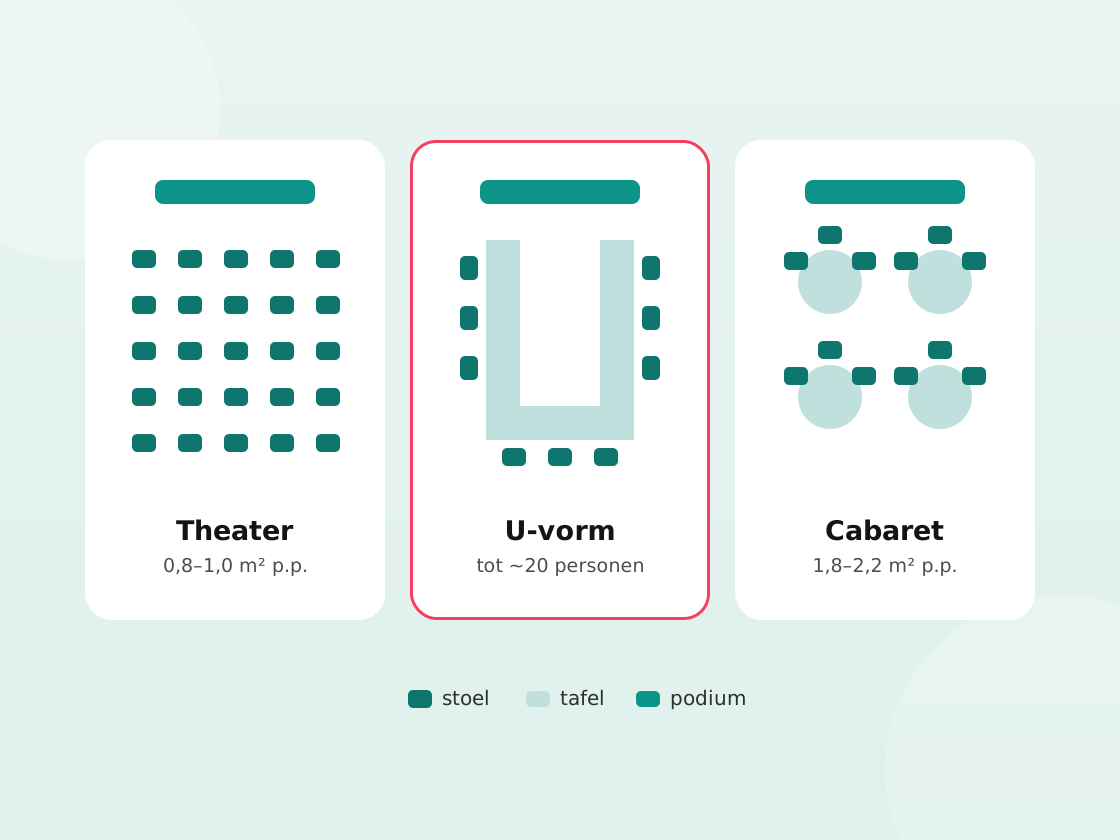
The room layout decides whether people join in
Theatre, cabaret, U-shape or boardroom — the layout governs how much talking happens. A practical overview with space per person.
 In practice
Why you rebuild the same event every year
Most event teams run the same gathering twenty times a year and start from scratch each time. Here's what to set up once.
From request to invoice in one platform
Try MiceBird free for fourteen days. Your offering in it, your branding around it — no implementation project.