
The second booking is cheaper than the first
An existing client costs a fraction of a new one. Yet nearly all the attention goes to winning rather than keeping.
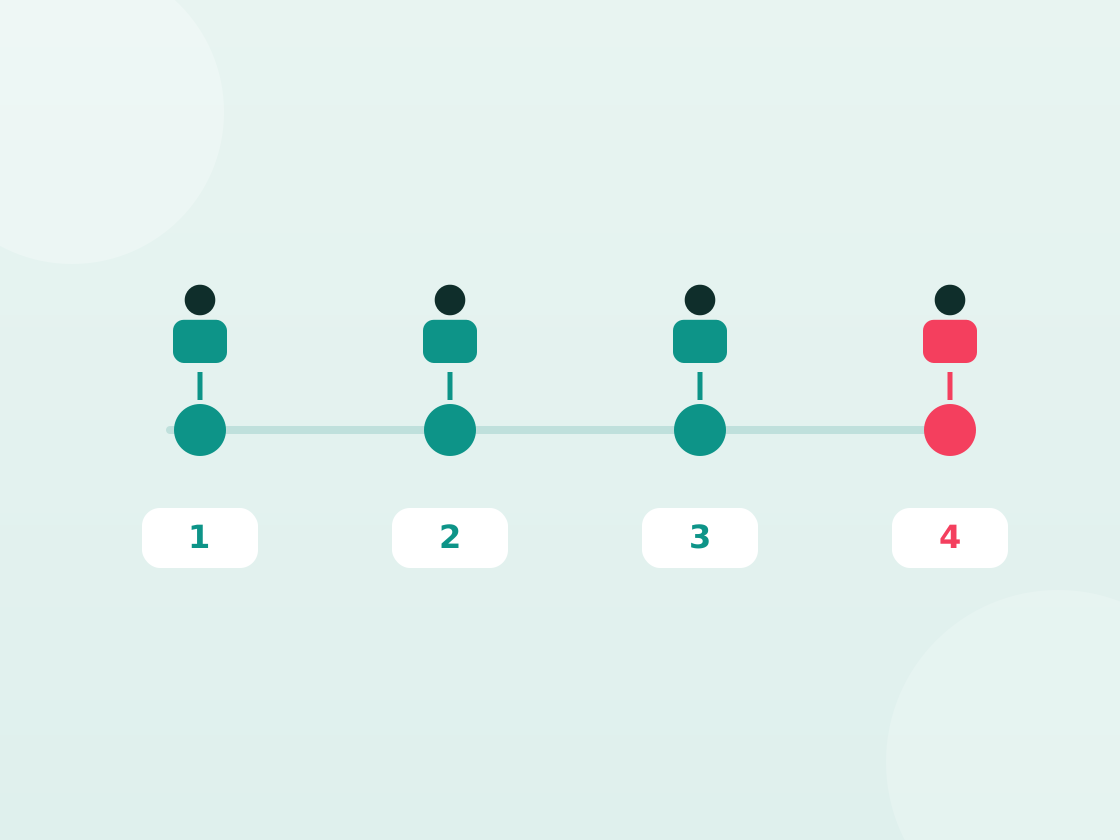
Winning a new client costs you an advertising budget, a viewing, two quotes and several calls. Getting an existing client to book again costs one email at the right moment.
Yet in practice the ratio is reversed: nearly all the energy goes to new enquiries, and existing clients hear nothing until they make contact themselves.
Why clients don't come back
Ask a client who didn't return why not, and the answer is rarely dissatisfaction. Usually it's one of three things:
They didn't think of it. The event was in March, the next one gets planned in January, and by then three venues are in view that were actually visible.
The contact left. At corporate clients the organiser changes often. The new person doesn't know you and starts searching.
It wasn't bad, but it wasn't memorable either. A perfectly good evening with nothing that stood out gives no reason to return.
The moment that counts
The best time to raise the next booking is the week after the event, not a year later. The memory is positive and concrete.
It needn't be a sales conversation. An email with the photos, a thank-you, and one line: "same period next year? I'll pencil it in." Nothing more is needed, and a surprising share say yes on the spot.
Record what you know about them
What brings a client back is that the second time is easier than the first. That only works if you know what you agreed last time.
- which room and layout they chose
- what was on the menu, and which dietary requirements came up
- what time it started and what time it actually finished
- what went wrong and how you fixed it
- who pays the invoices and under what reference
With that, your second quote is ready in ten minutes and it's more accurate than the first. For the client that's the difference between explaining again and simply confirming.
Know when they plan again
With recurring events, timing matters more than the offer. A company holding a client day every May doesn't decide in April but somewhere in the autumn, when next year's budgets get divided.
Call in April and you're calling after the choice was made. Call in October and you're at the table while there's still something to allocate.
So at every recurring event, ask one thing before you say goodbye: when is the next edition decided? The answer determines when you call, and that's more often decisive than what you have to say when you do.
Give them a reason that holds
Rewarding returning clients needn't mean discount — discount is the most expensive loyalty instrument there is and it lowers your price permanently.
What works better: priority on popular dates, the room available an hour earlier, a fixed contact, or the option to confirm final numbers later. Those have value to them and cost you little — and they make clear that an existing client is treated differently from yesterday's enquiry.
Read on
More articles
 Requests
Why the fastest quote almost always wins the booking
Respond to a request within a day and you win the work considerably more often. Here's where that time actually goes — and how to get it back.
 Requests
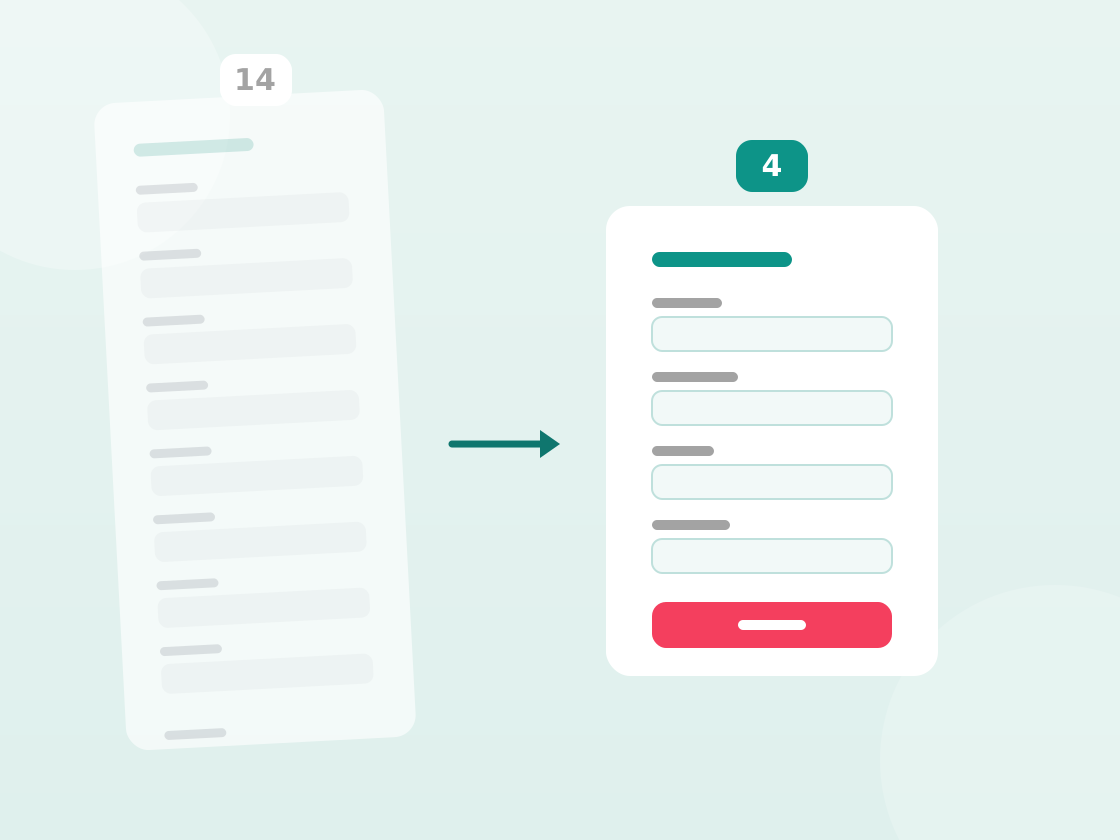
Your enquiry form asks for too much
Every extra field on your enquiry form costs you enquiries. Here's what you actually need to write a good quote, and what can wait.
 Requests
Which enquiries you're better off declining
Not every enquiry is an opportunity. Four signs an enquiry will cost more time than it returns, and how to say no gracefully.
From request to invoice in one platform
Try MiceBird free for fourteen days. Your offering in it, your branding around it — no implementation project.